What It’s Like to Live on Bald Head Island, NC
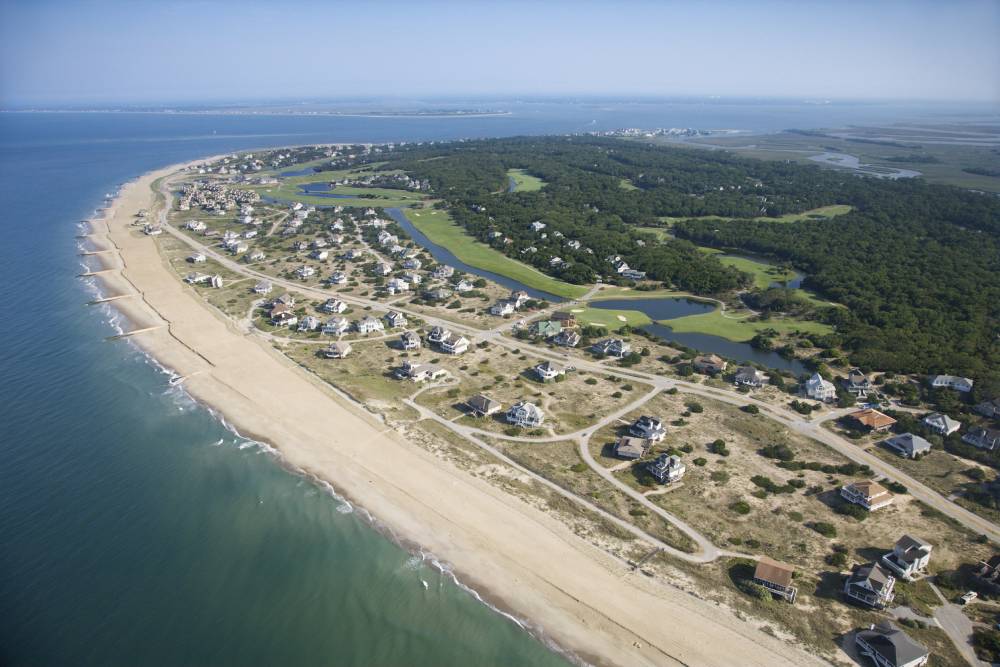
Bald Head Island is a car-free barrier island located at the mouth of the Cape Fear River in southeastern North Carolina. The island is defined by limited development, controlled access, and a strong emphasis on conservation. Daily life is intentionally low-density, with transportation primarily by golf cart and pedestrian paths.
Homeowners are drawn to the island for its privacy, natural coastal environment, and resort-oriented amenities, including beaches, golf, and outdoor recreation. Bald Head Island primarily attracts second-home buyers, retirees, and families seeking a quiet coastal community rather than a commercial resort destination.
What It's Like to Live on BHI?
History of Bald Head Island
Residential development on Bald Head Island began in the 1980s under a master-planned approach centered on environmental preservation. Much of the island’s land is protected through conservation easements, which continue to limit building density and architectural scale. One of the island’s most notable historic landmarks is the Old Baldy Lighthouse, constructed in 1817, which reflects the area’s long-standing maritime significance. These planning controls and historical influences have shaped the island’s restrained architectural style and preserved its maritime forests, dunes, and shoreline.
Surprising Facts About Bald Head Island's History
Who Lives on Bald Head Island
The residential population consists largely of retirees, seasonal residents, and high-net-worth second-home owners. A growing number of homeowners also work remotely, allowing for extended stays throughout the year. Many residents maintain primary homes in mainland cities such as Wilmington or Raleigh and use Bald Head Island as a secondary or seasonal residence. While population levels fluctuate throughout the year, the community maintains a consistent, close-knit character.
Bald Head Island Location, Geography, and Climate
Bald Head Island is located just south of Southport, North Carolina, and is accessible only by passenger ferry. The island’s geography includes oceanfront beaches, coastal dunes, tidal creeks, and extensive maritime forest. Its coastal-subtropical climate features mild winters and warm, humid summers, supporting year-round outdoor activities and contributing to the island’s appeal as both a permanent residence and a seasonal coastal retreat.
Bald Head Island Real Estate Insights
The Bald Head Island real estate market is defined by limited supply, strong demand, and strict development controls. As a car-free island with extensive conservation protections, the community offers a finite number of homes, which helps support long-term property values. Buyers are typically motivated by lifestyle and long-term ownership rather than short-term speculation, contributing to a stable and resilient market profile.
Real Estate Market Snapshot
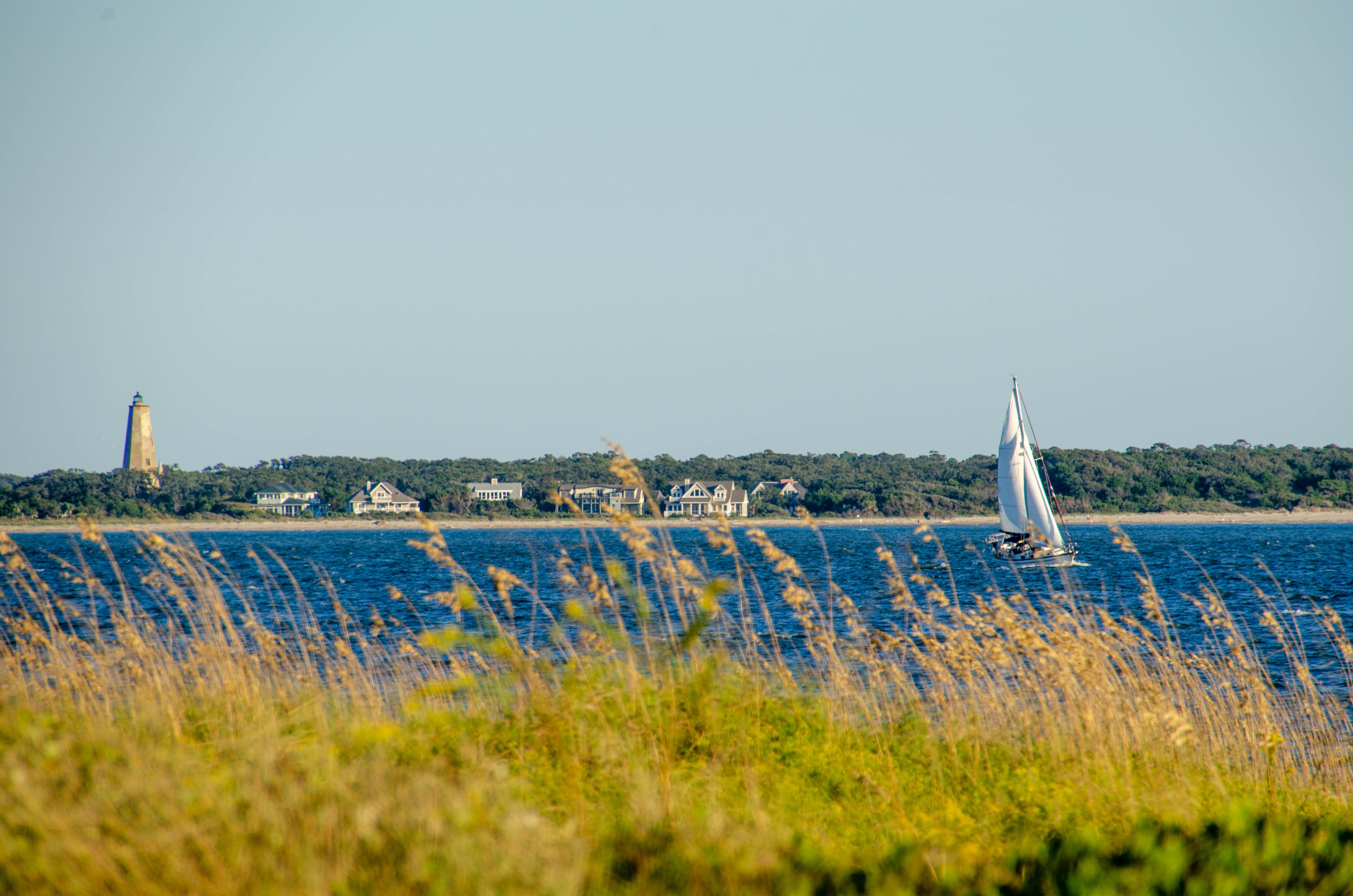
Bald Head Island consistently functions as a high-demand, low-inventory market, with home values trending above mainland Brunswick County averages. Inventory levels are often constrained, particularly for oceanfront and creekfront properties. Days on market fluctuate throughout the year, with spring and early summer generally seeing the highest buyer activity. Cash transactions are common, especially for luxury properties and second homes, reflecting the financial profile of the buyer pool and the island’s appeal to discretionary purchasers.
Real Estate Investment Considerations on Bald Head Island
Types of Homes Available on Bald Head Island
Residential options on Bald Head Island are varied but limited in number due to zoning and conservation guidelines.
Available property types typically include:
- Single-family coastal homes located within the maritime forest or near beach access
- Luxury oceanfront and creekfront estates with private outdoor living areas
- Condominiums and villas situated near island clubs, golf courses, and the marina
Architectural styles tend to be understated and coastal in character, with height restrictions and design guidelines preserving sightlines and natural surroundings.
Buying and Renting on Bald Head Island: What to Know
Prospective buyers should be prepared for layered ownership considerations, including homeowners’ association structures, optional or bundled club memberships, and ferry transportation logistics. While long-term rental opportunities exist, they are limited in comparison to mainland markets. Short-term rentals are more prevalent but are subject to local regulations, permitting requirements, and seasonal demand patterns. Buyers considering rental use should review current village ordinances and HOA guidelines prior to purchase.
Relocating to Bald Head Island
Relocating to Bald Head Island requires advance planning due to its ferry-only access and car-free environment. Personal vehicles are parked on the mainland, with golf carts serving as the primary mode of transportation on the island. Household moves must be coordinated through the ferry system, and professional movers with experience handling island logistics are strongly recommended. New residents often plan relocations during off-peak seasons to simplify scheduling and reduce costs.
Bald Head Island Neighborhood Development and Construction Activity
New residential development on Bald Head Island is minimal and tightly regulated. Most construction activity involves renovations, expansions, or replacement homes built within existing footprints. Design review boards and conservation standards guide all development, ensuring consistency with the island’s environmental priorities and architectural guidelines. These limitations help preserve the island’s character while maintaining long-term property value stability.
Factors to Consider When Buying Property on Bald Head Island, NC
Purchasing real estate on Bald Head Island involves considerations that are unique to car-free, coastal island living. Understanding these factors in advance helps buyers make informed decisions, evaluate long-term costs, and align lifestyle expectations with the realities of ownership.
1. Homeowners’ Association Dues and Club Membership Fees
Most properties on Bald Head Island are subject to homeowners’ association (HOA) dues, which fund shared infrastructure, landscaping, and community services. In addition to HOA fees, buyers may encounter optional or bundled memberships associated with island clubs. These memberships can provide access to golf, tennis, dining, and recreational amenities and may influence both lifestyle and resale appeal. Buyers should review fee structures carefully, including initiation costs, annual dues, and any transfer requirements at closing.
2. Flood Zones and Insurance Requirements
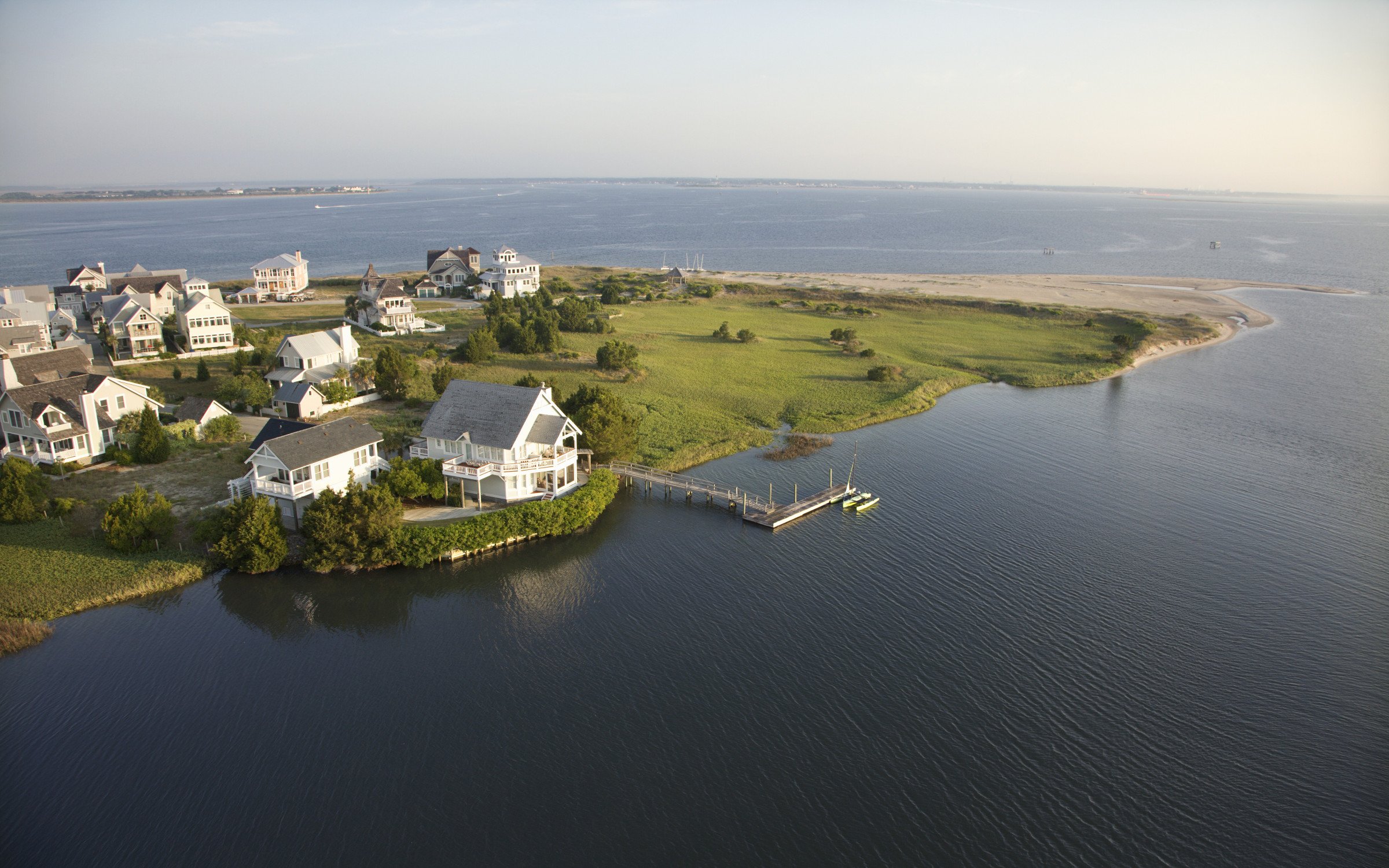
Due to its coastal location, much of Bald Head Island falls within designated flood zones. Flood zone classification directly affects insurance obligations and annual ownership costs. Buyers should obtain a current flood determination for any property under consideration and understand the differences between mandatory and optional flood insurance coverage. In addition to flood insurance, wind and hurricane coverage are typically required and can vary based on construction type, elevation, and age of the home.
3. Coastal Maintenance and Long-Term Upkeep
Homes on Bald Head Island are exposed to salt air, humidity, and coastal weather conditions year-round. These environmental factors contribute to higher ongoing maintenance needs compared to inland properties. Exterior materials, roofing systems, windows, and mechanical components may require more frequent inspection, cleaning, and replacement. Buyers should budget for routine maintenance and consider homes that incorporate coastal-grade materials and construction methods designed to withstand these conditions.
Seasonal Home Maintenance on Bald Head Island
4. Rental Restrictions and Permit Requirements
Rental regulations on Bald Head Island are governed by a combination of village ordinances and HOA guidelines. Short-term rentals are common but typically require permits and compliance with occupancy limits, safety standards, and local rules. Long-term rental opportunities are more limited and may be subject to additional restrictions. Buyers intending to generate rental income should review current regulations carefully and verify whether a property’s zoning and HOA allow the intended use.
5. Hurricane Preparedness and Risk Planning
As a barrier island, Bald Head Island is subject to hurricane and tropical storm exposure. Buyers should evaluate a home’s construction standards, including elevation, storm-resistant materials, and window protection. Understanding evacuation procedures, ferry suspension protocols, and re-entry policies is also important. Many homeowners maintain storm preparation plans and off-island contingencies, particularly those who use their property seasonally.
6. Planning for Island Ownership
Evaluating these island-specific factors early in the buying process allows purchasers to assess true ownership costs and operational considerations beyond the purchase price. With proper planning, buying property on Bald Head Island can be a well-informed decision that aligns lifestyle goals with long-term coastal ownership realities.
Factors to Consider When Selling
Selling a property on Bald Head Island requires a strategic approach that reflects the island’s seasonal demand patterns, buyer expectations, and regulatory environment. The following factors commonly influence marketability and transaction outcomes.
1. Timing and Seasonality
Buyer activity on Bald Head Island is strongest in late spring and early summer, when second-home buyers and vacation homeowners are actively searching. Listing a property ahead of peak season can increase visibility, shorten days on market, and support more competitive pricing. Off-season listings may still attract qualified buyers but often require longer marketing timelines.
2. Property Condition and Updates
Buyers typically favor homes that reflect modern coastal living standards. Updated kitchens, well-maintained bathrooms, and refreshed interiors can significantly affect perceived value. Deferred maintenance is more noticeable in coastal environments, making pre-listing inspections and targeted improvements especially important.
3. Outdoor Living and Functional Design
Outdoor living space is a key priority for island buyers. Covered porches, decks, screened areas, and seamless indoor-outdoor flow are often viewed as essential features rather than upgrades. Homes that maximize outdoor usability while accounting for weather exposure tend to stand out in the market.
4. Flood Mitigation and Storm-Resilient Features
Properties that demonstrate thoughtful storm preparedness are more appealing to buyers. Elevated construction, impact-rated windows, reinforced roofing systems, and documented flood mitigation measures can reduce buyer concerns and insurance uncertainty. Clear disclosure of flood zone classification and insurance history also supports transparency.
5. Documentation and Maintenance Records
Providing organized documentation helps build buyer confidence. Records may include renovation permits, HOA approvals, insurance claims history, maintenance schedules, and warranties. Clear proof of compliance with village regulations and design guidelines can streamline due diligence and reduce transaction delays.
6. Pricing Strategy and Market Positioning
Pricing must reflect current inventory levels, property type, and seasonal demand. Overpricing can lead to extended time on market, while well-positioned pricing aligned with recent comparable sales often generates stronger early interest. Island buyers tend to be well-informed and value data-supported pricing.
Lifestyle and Amenities
Life on Bald Head Island is shaped by limited commercial development, strong environmental stewardship, and a focus on outdoor living. Amenities are intentionally scaled to support a quiet, resort-oriented lifestyle rather than a high-energy tourist environment.

Dining and Entertainment on Bald Head Island
Dining options on Bald Head Island are concentrated around private island clubs, casual cafés, and a small number of seasonal waterfront restaurants. Menus typically emphasize coastal cuisine and relaxed dining experiences rather than extensive nightlife. Entertainment is largely community-based, centered on club events, private gatherings, and outdoor activities. Live music, social mixers, and holiday-themed events are often hosted through clubs or homeowner organizations rather than public venues.
Shopping and Essential Services
Retail offerings on the island are limited and purposefully low-key. Small boutiques provide apparel, gifts, and island-themed goods, while a market-style grocery supports daily needs. Specialty items and larger retail purchases generally require travel to the mainland. This limited retail environment reinforces the island’s self-contained, low-commercial character.
Parks, Beaches, and Outdoor Recreation
Outdoor recreation plays a central role in daily life on Bald Head Island. The island features more than 14 miles of beaches, along with a network of nature trails, boardwalks, and kayaking routes through marshes and tidal creeks. Golf courses and open green spaces are integrated into the natural landscape. Conservation and land preservation efforts ensure that recreational access coexists with protected habitats.
Local Culture and Community Life
The local culture on Bald Head Island is understated and conservation-focused, with a strong sense of community among residents and homeowners. Social interaction often occurs through shared interests such as outdoor recreation, environmental stewardship, and club participation. Many residents are involved in volunteer organizations and conservation initiatives, which contribute to the island’s close-knit and civically engaged atmosphere.
Annual Events and Seasonal Gatherings
Community events on Bald Head Island are typically seasonal and aligned with the island’s quieter lifestyle. These may include holiday markets, conservation fundraisers, educational programs, and club-hosted social gatherings. Events are generally designed to foster community engagement rather than large-scale tourism.
Fitness and Wellness Amenities
Fitness and wellness opportunities on Bald Head Island are primarily accessed through club memberships. Available amenities often include fitness centers, tennis courts, golf facilities, yoga and group exercise classes, and spa services. Outdoor fitness is also common, with residents regularly using beaches, trails, and open spaces for walking, cycling, and low-impact exercise.
Pet-Friendly Lifestyle
Bald Head Island is considered pet-friendly, with clearly defined leash regulations and seasonal guidelines. Many trails and beach areas are popular with dog owners, although access may vary by time of year to protect wildlife and nesting areas. Pet ownership is generally well accommodated within the island’s outdoor-oriented lifestyle.
Miscellaneous Insights About Bald Head Island, NC
Why People Love Bald Head Island
Bald Head Island appeals to homeowners who prioritize privacy, environmental preservation, and a slower pace of life. The island’s car-free design, limited commercial footprint, and strict development controls create a sense of separation from the mainland that is difficult to replicate elsewhere along the North Carolina coast.
Residents value the quiet atmosphere, expansive natural landscapes, and the ability to experience coastal living without heavy tourism or congestion. The balance between conservation and refined amenities contributes to a lifestyle that feels both exclusive and intentionally restrained.
Most Coveted Areas, Streets, and Estates on Bald Head Island
Certain areas of Bald Head Island consistently attract higher buyer interest due to location, views, and proximity to amenities. Oceanfront properties remain among the most sought-after, offering direct beach access and unobstructed views. Homes within the Cape Fear Station area are especially desirable for their elevated positioning, proximity to South Beach, and access to maritime forest surroundings.
Creekfront residences near the marina also command strong interest, appealing to buyers who value boating access, water views, and walkability to island services and clubs. These locations typically experience limited turnover, contributing to sustained demand.
Best Neighborhoods on Bald Head Island
Who Is Bald Head Island Best Suited For?
Bald Head Island is best suited for buyers seeking a serene, nature-oriented coastal lifestyle rather than convenience-driven living. It appeals primarily to second-home owners, retirees, and families who value privacy, low-density surroundings, and a strong conservation ethic. Buyers exploring Bald Head homes for sale are typically comfortable with ferry access, limited retail options, and the island-specific logistics that come with owning property in a protected coastal environment.
For those prioritizing tranquility, environmental stewardship, and long-term ownership over short-term access or urban amenities, Bald Head Island offers a distinctive coastal living experience.
Frequently Asked Questions
Is Bald Head Island a good investment?
Bald Head Island has historically supported strong long-term property values due to its strictly limited inventory, conservation-protected land, and consistent demand from second-home buyers and retirees. The car-free environment and restricted development mean new supply is minimal, which buffers against price declines seen in more accessible coastal markets. Buyers typically approach it as a lifestyle investment with stable long-term equity rather than a short-term appreciation play.
How do you get to Bald Head Island?
Bald Head Island is accessible only by passenger ferry from Southport, NC, or by private boat. The ferry crossing takes approximately 20 minutes. Personal vehicles are not permitted on the island — residents and visitors use golf carts, bicycles, or walk. This ferry-only access is a defining feature of island ownership and should be factored into relocation and logistics planning.
Can you own a car on Bald Head Island?
No. Private automobiles are not allowed on Bald Head Island. Transportation on the island is limited to golf carts, bicycles, and walking. Residents who own cars must park them at the Indigo Plantation Marina parking facility in Southport on the mainland. Many homeowners purchase or lease golf carts as part of the buying process.
What is the average home price on Bald Head Island?
As of early 2026, the median list price on Bald Head Island is approximately $1.6 million, with average sale prices closer to $1.87 million. Prices vary significantly by property type and location — oceanfront and creekfront estates routinely list above $3–7 million, while forest-interior and condo properties can be found in the $900,000–$1.5 million range. Browse current Bald Head Island homes for sale for live pricing.
Are there short-term rentals on Bald Head Island?
Short-term rentals are permitted on Bald Head Island but are subject to Village ordinances, HOA rules, and permitting requirements. Rental demand is strong during spring and summer, making some properties attractive for vacation rental income. Buyers should verify whether a specific property's HOA allows short-term rental use and confirm current permit requirements before purchase.
What are HOA fees like on Bald Head Island?
Most properties on Bald Head Island are subject to HOA dues that cover shared infrastructure, common areas, and community services. Fees vary by community and property type. In addition to HOA dues, buyers may encounter optional or bundled memberships to island clubs — such as the Bald Head Island Club or Shoals Club — which provide access to golf, tennis, dining, and recreational amenities. These membership costs should be evaluated as part of total ownership expenses.
Is Bald Head Island prone to flooding?
Yes. As a coastal barrier island, significant portions of Bald Head Island fall within designated FEMA flood zones. Flood zone classification affects mandatory flood insurance requirements and annual ownership costs. Buyers should obtain a current flood zone determination for any property under consideration. Wind and hurricane coverage is also typically required. Elevated construction and storm-resilient features are strongly recommended and add meaningful value when reselling.
What neighborhoods are on Bald Head Island?
The most sought-after communities on Bald Head Island include Harbour Village (waterfront, walkable to the marina), South Beach (oceanfront and club-adjacent), Cape Fear Station (elevated, near South Beach with maritime forest views), and Middle Island (the most private, accessible by private bridge). Creekfront properties near the marina are also highly desirable for buyers prioritizing water access and boating. Learn more in the guide to the best neighborhoods on Bald Head Island.